Buy auto-aufkleber.eu ?
We are moving the project
auto-aufkleber.eu .
Are you interested in purchasing the domain
auto-aufkleber.eu ?
domain@kv-gmbh.de · 0541-91531010
Buy auto-aufkleber.eu ?
Can you explain saponification?
Saponification is a chemical reaction that occurs when a fat or oil is mixed with a strong alkali, such as sodium hydroxide (lye), resulting in the formation of soap and glycerin. During saponification, the alkali breaks down the ester bonds in the fat molecules, releasing fatty acids and glycerol. The fatty acids then react with the alkali to form soap molecules, while glycerin is a byproduct of the reaction. This process is commonly used in the production of soap. **
Is this saponification reaction equation correct?
Yes, the saponification reaction equation provided is correct. Saponification is the process of making soap by reacting a fat or oil with a strong base, such as sodium hydroxide or potassium hydroxide. The reaction results in the formation of soap (sodium or potassium salts of fatty acids) and glycerol. The equation shown accurately represents this chemical transformation. **


Similar search terms for Saponification
Top-Angebote
Products related to Saponification:
-
Uplift Curations 500pcs Christmas Stickers Golden Foil Christmas Tree Sealing Stickers Clear Vinyl Decals For Gifts, Windows And Crafts 500pcs Christmas Stickers Golden Foil Christmas Tree Sealing Stickers Clear Vinyl Decals For Gifts, Windows And CraftsAdd a polished festive touch to your holiday projects with this large set of Christmas stickers featuring elegant golden foil Christmas tree designs. These clear vinyl decals are ideal for sealing gifts, decorating windows, enhancing holiday crafts,...49,00 $*Shipping: 0,00 $Secure redirect to the provider
-
Lush Living Finds New Year Shop Christmas Decorations PVC Door Christmas Tree Wall Decals Christmas Stickers Wall Stickers Window Decals New Year Shop Christmas Decorations PVC Door Christmas Tree Wall Decals Christmas Stickers Wall Stickers Window DecalsTransform Your Space with Stunning Christmas Decorations Bring the holiday spirit to every corner 1 pcs of your home with New Year Shop Christmas Decorations! These festive PVC Door Christmas Tree Wall Decals add a personal touch to your living...43,97 $*Shipping: 0,00 $Secure redirect to the provider
-
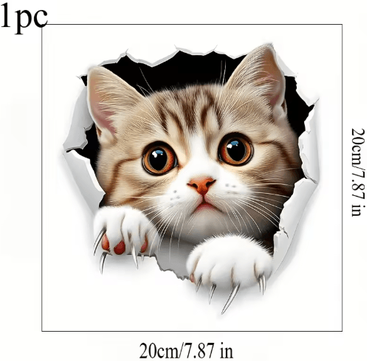
Inspire Picks 3D Cute Cat Toilet Stickers Removable Waterproof Kitten Vinyl Decals For Bathroom Decor 1pcBring a smile to your bathroom with a touch of playful personality. These adorable cat toilet stickers feature a fun 3D kitten design that instantly transforms plain toilet lids or rims into charming dcor. Made from waterproof vinyl, theyre designed...51,87 $*Shipping: 0,00 $Secure redirect to the provider
-
Perfect Picks Market Black Cat Nail Stickers Cute Cartoon Nail Art Decals Black Cat Nail Stickers Cute Cartoon Nail Art DecalsTransform your manicure into a playful and charming statement with these 3D nail stickers. Perfect for cat lovers and nail art enthusiasts, these selfadhesive decals bring effortless creativity to your fingertips. Each sticker features a cute...29,97 $*Shipping: 0,00 $Secure redirect to the provider



-
How does saponification work in chemistry?
Saponification is a chemical reaction that involves the hydrolysis of ester bonds in fats and oils by a strong base, typically sodium hydroxide or potassium hydroxide. This reaction results in the formation of glycerol and soap molecules, which are the salts of fatty acids. The hydroxide ions from the base break the ester bonds in the triglyceride molecules, releasing the fatty acids and glycerol. The fatty acids then react with the metal ions from the base to form soap molecules, which are soluble in water and have detergent properties. **
-
What are chemical reactions in saponification?
Chemical reactions in saponification involve the reaction of a fat or oil with a strong base, typically sodium hydroxide or potassium hydroxide. This reaction results in the formation of soap and glycerol. The fatty acids in the fat or oil react with the base to form the soap molecules, while glycerol is a byproduct of the reaction. Saponification is a key process in soap-making and is essential for the production of soap. **
-
What is the equation for saponification?
The general equation for saponification is: ester + base → alcohol + carboxylate salt. In the specific case of the saponification of a triglyceride (fat or oil) with a strong base such as sodium hydroxide, the equation is: triglyceride + sodium hydroxide → glycerol + 3 fatty acid salts. **
-
How can one derive the saponification value?
The saponification value can be derived by determining the amount of potassium hydroxide (KOH) or sodium hydroxide (NaOH) required to saponify a specific amount of fat or oil. This is typically done through a chemical reaction where the fat or oil is mixed with a known concentration of KOH or NaOH. The amount of KOH or NaOH used in the reaction is then measured, and the saponification value is calculated based on the molecular weight of the fat or oil. This value is important in determining the amount of alkali needed for soap making or in assessing the purity of fats and oils. **


Need help with calculating the saponification value.
To calculate the saponification value of a fat or oil, you need to know the molecular weight of the fatty acid present in the sample. The saponification value is the amount of potassium hydroxide (KOH) required to saponify one gram of the fat or oil. You can calculate the saponification value using the formula: Saponification value = (560 x saponification equivalent weight) / molecular weight of the fatty acid. This value is important in determining the amount of lye needed for soap making or in quality control of fats and oils. **
How can one determine the saponification value?
The saponification value can be determined by performing a chemical reaction called saponification on a known weight of the fat or oil sample. This reaction involves the hydrolysis of the ester bonds in the fat or oil with a strong base, such as potassium hydroxide. The amount of base required to saponify the fat or oil is then measured, and the saponification value is calculated based on the weight of the sample and the amount of base used. This value is expressed as the number of milligrams of potassium hydroxide required to saponify one gram of the fat or oil sample. **
Top-Angebote
Products related to Saponification:
-
Inspire Curations WhovilleFest Christmas Wall Stickers Fun Grinch Inspired Holiday Vinyl Decals WhovilleFest Christmas Wall Stickers Fun Grinch Inspired Holiday Vinyl DecalsTurn your home into a playful holiday wonderland straight out of Whoville. The WhovilleFest Christmas wall stickers bring bold colors, quirky characters, and festive charm to any room, instantly creating a fun and lively Christmas vibe. Designed...63,00 $*Shipping: 0,00 $Secure redirect to the provider
-
Drop Dash Deals Cute Cat & Dog Car Window Vinyl Stickers Animal Decals For Laptops & Cars Cute Cat & Dog Car Window Vinyl Stickers Animal Decals For Laptops & CarsBring some joy to your ride or home with these cute cat and dog vinyl stickers. Perfect for pet lovers, this set of 10 stickers is designed to add personality to your car, laptop, or any smooth surface. Made from durable, waterproof PVC, these...44,97 $*Shipping: 0,00 $Secure redirect to the provider
-
Uplift Curations 500pcs Christmas Stickers Golden Foil Christmas Tree Sealing Stickers Clear Vinyl Decals For Gifts, Windows And Crafts 500pcs Christmas Stickers Golden Foil Christmas Tree Sealing Stickers Clear Vinyl Decals For Gifts, Windows And CraftsAdd a polished festive touch to your holiday projects with this large set of Christmas stickers featuring elegant golden foil Christmas tree designs. These clear vinyl decals are ideal for sealing gifts, decorating windows, enhancing holiday crafts,...49,00 $*Shipping: 0,00 $Secure redirect to the provider
-
Lush Living Finds New Year Shop Christmas Decorations PVC Door Christmas Tree Wall Decals Christmas Stickers Wall Stickers Window Decals New Year Shop Christmas Decorations PVC Door Christmas Tree Wall Decals Christmas Stickers Wall Stickers Window DecalsTransform Your Space with Stunning Christmas Decorations Bring the holiday spirit to every corner 1 pcs of your home with New Year Shop Christmas Decorations! These festive PVC Door Christmas Tree Wall Decals add a personal touch to your living...43,97 $*Shipping: 0,00 $Secure redirect to the provider
-
Can you explain saponification?
Saponification is a chemical reaction that occurs when a fat or oil is mixed with a strong alkali, such as sodium hydroxide (lye), resulting in the formation of soap and glycerin. During saponification, the alkali breaks down the ester bonds in the fat molecules, releasing fatty acids and glycerol. The fatty acids then react with the alkali to form soap molecules, while glycerin is a byproduct of the reaction. This process is commonly used in the production of soap. **
-
Is this saponification reaction equation correct?
Yes, the saponification reaction equation provided is correct. Saponification is the process of making soap by reacting a fat or oil with a strong base, such as sodium hydroxide or potassium hydroxide. The reaction results in the formation of soap (sodium or potassium salts of fatty acids) and glycerol. The equation shown accurately represents this chemical transformation. **
-
How does saponification work in chemistry?
Saponification is a chemical reaction that involves the hydrolysis of ester bonds in fats and oils by a strong base, typically sodium hydroxide or potassium hydroxide. This reaction results in the formation of glycerol and soap molecules, which are the salts of fatty acids. The hydroxide ions from the base break the ester bonds in the triglyceride molecules, releasing the fatty acids and glycerol. The fatty acids then react with the metal ions from the base to form soap molecules, which are soluble in water and have detergent properties. **
-
What are chemical reactions in saponification?
Chemical reactions in saponification involve the reaction of a fat or oil with a strong base, typically sodium hydroxide or potassium hydroxide. This reaction results in the formation of soap and glycerol. The fatty acids in the fat or oil react with the base to form the soap molecules, while glycerol is a byproduct of the reaction. Saponification is a key process in soap-making and is essential for the production of soap. **
Similar search terms for Saponification
-
Inspire Picks 3D Cute Cat Toilet Stickers Removable Waterproof Kitten Vinyl Decals For Bathroom Decor 1pcBring a smile to your bathroom with a touch of playful personality. These adorable cat toilet stickers feature a fun 3D kitten design that instantly transforms plain toilet lids or rims into charming dcor. Made from waterproof vinyl, theyre designed...51,87 $*Shipping: 0,00 $Secure redirect to the provider
-
Perfect Picks Market Black Cat Nail Stickers Cute Cartoon Nail Art Decals Black Cat Nail Stickers Cute Cartoon Nail Art DecalsTransform your manicure into a playful and charming statement with these 3D nail stickers. Perfect for cat lovers and nail art enthusiasts, these selfadhesive decals bring effortless creativity to your fingertips. Each sticker features a cute...29,97 $*Shipping: 0,00 $Secure redirect to the provider
-
Inspired Living Peeking Cat Car Mirror Stickers (4 Pack) Waterproof Vinyl Funny Decals For Rearview Mirrors & Windows 4pcs WhiteAdd a little mischief to every drive with these adorable peeking catsalways watching, always stealing glances. This cat car mirror sticker set is made for drivers who love cute, funny details that spark smiles at stoplights and parking lots. Each...23,97 $*Shipping: 0,00 $Secure redirect to the provider
-
Inspired Living Moon Phase Mirror Wall Stickers Set (9 Piece Acrylic Mirror Decals) Moon Phase Mirror Wall Stickers Set (9 Piece Acrylic Mirror Decals)Turn a plain wall into a calming, celestial focal point in minutes. This 9piece moon cycle set adds soft shimmer and dimensionperfect for anyone who loves cozy bedrooms, boho corners, or modern minimalist decor. Each piece is lightweight,...46,97 $*Shipping: 0,00 $Secure redirect to the provider
-
What is the equation for saponification?
The general equation for saponification is: ester + base → alcohol + carboxylate salt. In the specific case of the saponification of a triglyceride (fat or oil) with a strong base such as sodium hydroxide, the equation is: triglyceride + sodium hydroxide → glycerol + 3 fatty acid salts. **
-
How can one derive the saponification value?
The saponification value can be derived by determining the amount of potassium hydroxide (KOH) or sodium hydroxide (NaOH) required to saponify a specific amount of fat or oil. This is typically done through a chemical reaction where the fat or oil is mixed with a known concentration of KOH or NaOH. The amount of KOH or NaOH used in the reaction is then measured, and the saponification value is calculated based on the molecular weight of the fat or oil. This value is important in determining the amount of alkali needed for soap making or in assessing the purity of fats and oils. **
-
Need help with calculating the saponification value.
To calculate the saponification value of a fat or oil, you need to know the molecular weight of the fatty acid present in the sample. The saponification value is the amount of potassium hydroxide (KOH) required to saponify one gram of the fat or oil. You can calculate the saponification value using the formula: Saponification value = (560 x saponification equivalent weight) / molecular weight of the fatty acid. This value is important in determining the amount of lye needed for soap making or in quality control of fats and oils. **
-
How can one determine the saponification value?
The saponification value can be determined by performing a chemical reaction called saponification on a known weight of the fat or oil sample. This reaction involves the hydrolysis of the ester bonds in the fat or oil with a strong base, such as potassium hydroxide. The amount of base required to saponify the fat or oil is then measured, and the saponification value is calculated based on the weight of the sample and the amount of base used. This value is expressed as the number of milligrams of potassium hydroxide required to saponify one gram of the fat or oil sample. **
* All prices are inclusive of VAT and, if applicable, plus shipping costs. The offer information is based on the details provided by the respective shop and is updated through automated processes. Real-time updates do not occur, so deviations can occur in individual cases. ** Note: Parts of this content were created by AI.